
Mirecord is importance in maternity services
In a maternity ward, every second counts—each detail recorded or missed can truly make the difference between a safe, joyful experience and a tragic outcome. For healthcare providers, nothing beats the reward of sending both mother and baby home safely.
Yet, the reality is sobering. According to the World Health Organization, every day approximately 810 women die from preventable causes related to pregnancy and childbirth—equating to roughly 300,000 maternal deaths per year. These stark statistics remind us that improving maternity care is not just important—it’s urgent. (Source: WHO)
One promising solution that’s gaining traction is the use of a dedicated Electronic Patient Record (EPR) tailored to clinical practice. By centralising maternity patient information, a dedicated EPR can help midwives and obstetricians collaborate more effectively with the mother, reduce errors, and make quicker decisions when every moment matters. As we explore how dedicated EPR systems can transform maternity care, it’s clear that adopting this technology is essential for saving lives and building a healthier future for mothers and newborns.
Maternity care comes with unique challenges, and these challenges call for innovative solutions. One of the key ways to address these issues is through a dedicated maternity EPR system, which uses tailored logic for clinicians in maternity care. This ensures that whether it’s prenatal screenings or updates during labour, every detail is easily accessible, helping teams communicate better and avoid mistakes.
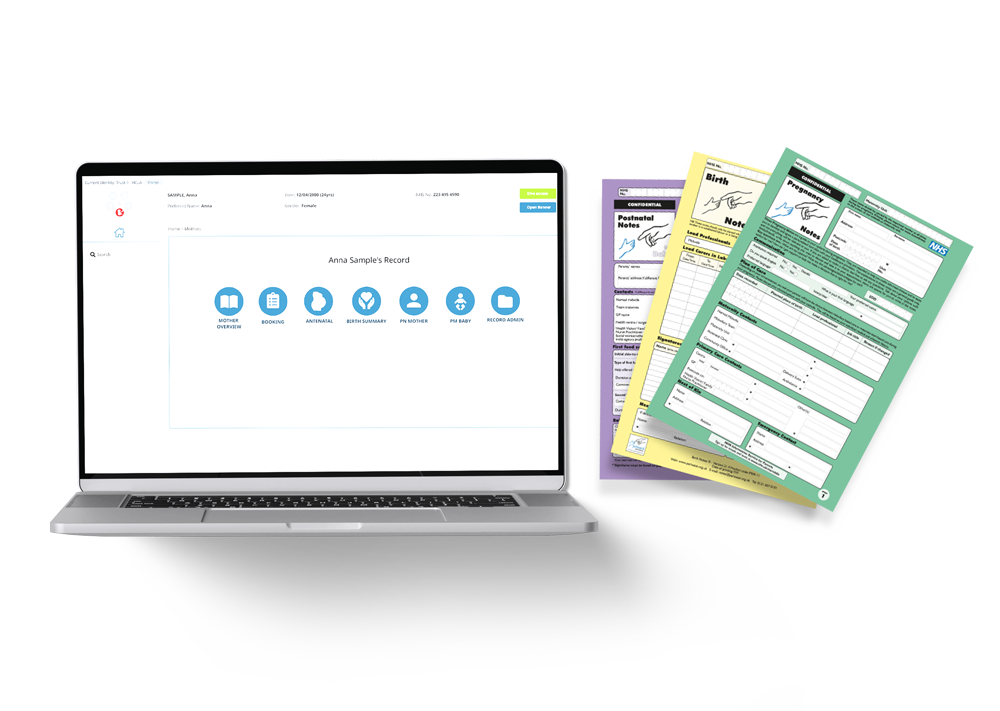
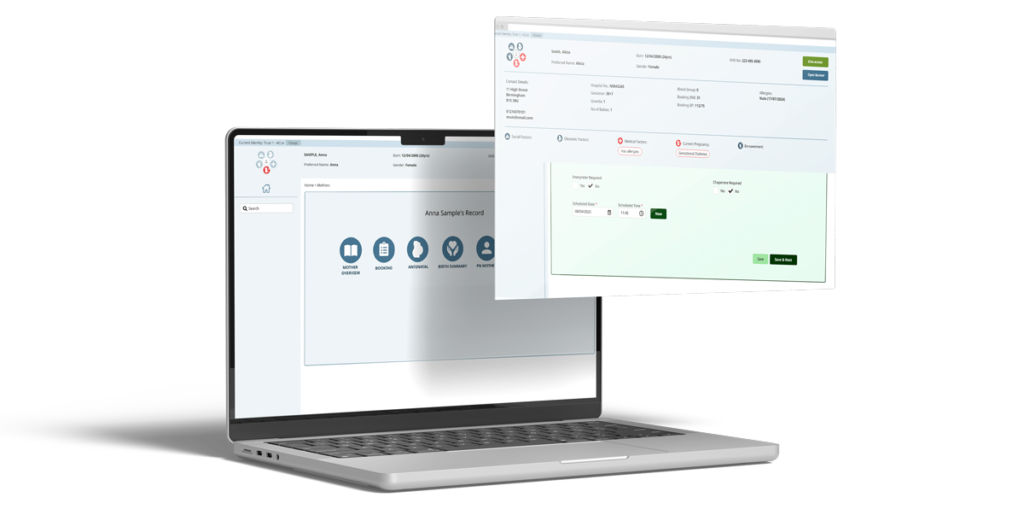
Take MiRecord, for example—a cutting-edge digital maternity information system designed specifically for maternity care. MiRecord integrates with existing hospital systems to deliver real-time updates, insightful data analytics, and decision support tools. With MiRecord, obstetricians and midwives have immediate access to crucial patient details, ensuring that nothing is overlooked when care planning.
Maternity care can be incredibly demanding. Managing complex patient histories and making swift decisions under pressure is no small task. Some common hurdles include:
Fragmented Data: Patient records can be scattered across different systems, making it challenging to get a full picture of a patient’s history.
Inefficient Communication: When departments do not communicate effectively, delays can occur during emergencies.
Time Pressure: In situations where every second counts, delays from manual data retrieval or miscommunication can have serious consequences.
These challenges highlight why a dedicated approach to managing patient data is so critical in maternity care.
Dedicated Electronic Patient Records (EPRs) have already changed the way many areas of healthcare operate by centralising information. In maternity care, the benefits include:
Centralised Data: A dedicated EPR brings together everything from patient histories and lab results to imaging studies and progress notes. This means that every piece of information—from prenatal check-ups to delivery outcomes—is stored in one easily accessible location.
Real-Time Information: With a dedicated EPR system, healthcare providers receive live updates on a patient’s condition. When every second counts, this constant stream of information can be lifesaving.
Better Communication: By connecting various departments and specialties, a dedicated EPR ensures that obstetricians, midwives, nurses, and other team members are all on the same page. This teamwork helps catch potential issues before they become serious.
Enhanced Coordination and Communication
When patient records are available across the entire hospital network, every provider—from prenatal visits to delivery—has the complete picture. This unified approach minimises delays and miscommunication, especially during emergencies.
Real-Time Decision Support
In high-pressure environments, having real-time data means that clinicians can act quickly. A dedicated EPR system can trigger alerts when something seems off—like a sudden change in vital signs—giving healthcare teams the prompt needed to intervene in time.
Reduction of Medical Errors
Having all patient data in one place reduces the chances of mistakes. From allergies to past obstetric history, a consolidated record helps ensure that no critical detail slips through the cracks.
Seamless Integration with Advanced Monitoring Tools
Modern maternity care is not just about record-keeping—it is about leveraging technology like fetal monitoring systems and risk assessment tools. A dedicated EPR platform can connect with these tools to offer deeper insights, such as monitoring fetal growth and alerting clinicians to potential complications early on.
MiRecord is a standout solution in the field of maternity care. It tackles the unique challenges of this area by offering features such as:
Real-Time Updates: Every lab result, change in maternal condition, or new fetal scan is instantly updated, ensuring that the care team and the mother always have the latest information.
Seamless System Integration: MiRecord works effortlessly with existing hospital systems, creating a smooth data flow across different departments. This integration not only improves communication but also provides a holistic view of a patient’s care journey.
Robust Decision Support: Built-in risk assessments and decision prompts help clinicians quickly spot potential complications, leading to faster, more informed decisions.
User-Friendly Interface: In the fast-paced world of maternity care, MiRecord’s intuitive design allows healthcare providers to find and use critical information quickly—even when time is tight.
In maternity care, where the clock is ticking, a dedicated EPR system is more than just a tech upgrade—it is a vital tool for saving lives. By centralising data, enabling real-time decision-making, and enhancing communication among care teams, solutions like MiRecord are improving maternity care. As digital innovation continues, the healthcare technology is paving the way for a future where every mother and baby have the best possible start.
[Source: https://www.perinatal.org.uk/]
Mirecord is an innovative solution that solves unique challenges in maternity care.